What makes onchain referrals different
Onchain referral systems replace opaque email links with transparent, verifiable smart contracts. This shift changes how you track attribution and distribute payouts, removing the guesswork that often plagues offchain programs.
Transparency is the first major difference. Every referral event is recorded on the blockchain, meaning the origin of a user and the path they took to sign up is publicly auditable. There are no hidden server logs or proprietary databases where data can be lost or altered. If a dispute arises over whether a referral qualified, the blockchain record serves as the single source of truth.
Automation is the second. Traditional referral programs often require manual verification of sign-ups, KYC checks, and delayed payouts. Onchain referrals handle this logic directly in code. When a referred user completes a required action—such as depositing funds or executing a trade—the smart contract automatically validates the eligibility and triggers the reward distribution. This reduces administrative overhead and ensures participants are paid instantly.
Verifiable attribution ties these together. In offchain systems, affiliate fraud is common because proving who actually drove the conversion is difficult. Onchain, the referral link is often embedded in the wallet address or a specific transaction hash. This cryptographic proof makes it nearly impossible to spoof a referral source, protecting both the project and the referrer.
While offchain methods offer ease of use for casual sharing, onchain referrals provide the rigorous audit trails and instant settlement required for high-stakes DeFi and crypto ecosystems. The trade-off is complexity, but the result is a system where trust is enforced by code, not by promise.
Choose your referral infrastructure
Building an onchain referral bounty system comes down to one trade-off: control versus speed. You can either write the smart contracts yourself or rent a platform that handles the heavy lifting. The right choice depends on your technical capacity and how quickly you need to launch.
If you have a dedicated dev team, custom contracts offer total transparency. You control the logic, the tokenomics, and the user experience. However, this path requires rigorous auditing to prevent exploits. A single bug in a referral contract can drain your bounty pool.
For most teams, no-code platforms provide a faster, safer route to market. These tools handle the complex tracking and distribution logic, allowing you to focus on marketing and community growth. You trade some customization for significantly lower development risk and time-to-market.
Compare your options
The table below breaks down the core differences between building custom and using a no-code solution.
| Feature | Custom Smart Contracts | No-Code Platform |
|---|---|---|
| Development Time | Weeks to Months | Days to Weeks |
| Control & Customization | Full | Limited |
| Security Risk | High (Requires Audit) | Low (Platform Managed) |
| Cost | High (Dev + Audit Fees) | Subscription + Transaction Fees |
| Maintenance | Manual Upgrades | Automatic Updates |
What to look for in a platform
When evaluating no-code infrastructure, prioritize security and ease of use. The platform should handle the complex math of tiered commissions and automated payouts without manual intervention. Look for providers that offer clear documentation and active community support. This ensures you can troubleshoot issues without hiring additional developers.

Essential tools for setup
Regardless of your path, certain tools will streamline your workflow. These resources help manage the technical and operational aspects of launching your bounty program.


As an Amazon Associate, we may earn from qualifying purchases.
Final checklist
Before you go live, run through this list to ensure your infrastructure is ready.
Set up tracking and attribution logic
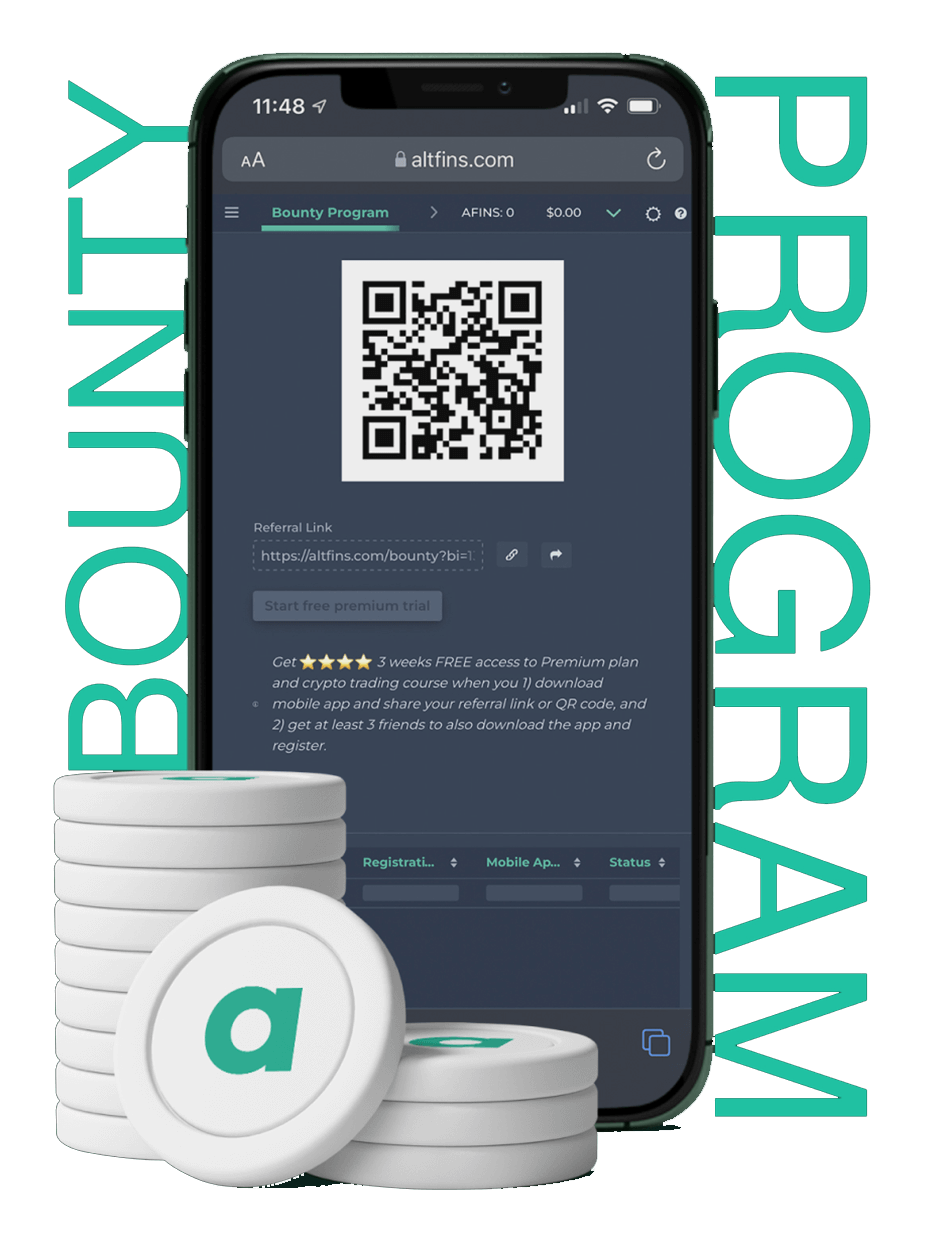
Tracking onchain referrals requires bridging the gap between offchain sharing and onchain execution. You need a system that generates unique codes, links them to specific wallets, and verifies the qualifying action without relying on third-party cookies or centralized databases.
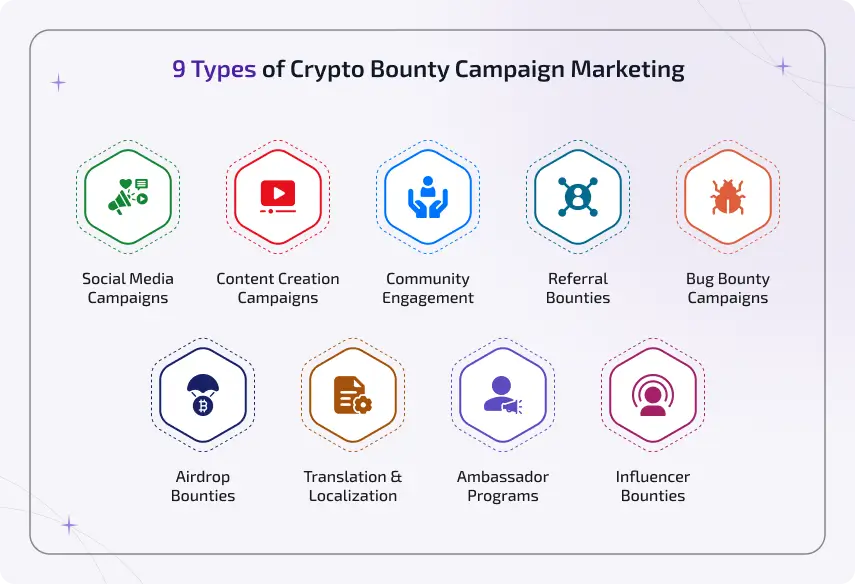
The goal is to create a deterministic trail: User A shares a code, User B enters it, and the smart contract records the link between the two wallet addresses. Once that link is established, the system monitors for the conversion trigger, such as a trade or a deposit.
Generate unique referral codes
Start by creating a mechanism to issue unique alphanumeric codes. These codes serve as the initial handshake. They can be generated via a smart contract function that mints a tokenized referral ID or stored in a centralized database mapped to a wallet address. The code must be cryptographically unique to prevent collision and fraud.
When a user generates a code, the system should store the mapping of code -> referrer_wallet in your tracking layer. This allows you to look up who referred whom when the code is submitted later. Ensure the code format is easy to copy and paste, often handled through a simple "Copy Code" button in the user interface.
The first technical step is binding the code to the referrer. When a user initiates the referral process, their connected wallet address is recorded against the newly generated code. This creates the primary record in your database or on-chain storage. Without this link, you cannot attribute any future action to the correct person.
Next, you must capture the code when the new user (the invitee) enters the platform. This usually happens during the wallet connection phase or the first transaction. The frontend should prompt for the code, or automatically append it to the referral link if the invitee clicked a shared URL. The system then validates the code against your records and binds the invitee’s wallet to the referrer’s wallet in a "pending" state.
The final step is confirming the action that qualifies for the bounty. This requires monitoring the blockchain for specific events. For example, if the bounty is for a trade, your indexer watches for a Swap event from the invitee’s wallet involving the required token pair. Once the threshold is met, the "pending" link becomes "active," and the referrer is eligible for payment.
Handle edge cases and fraud
Simple tracking is vulnerable to self-referral and sybil attacks. You must implement rules to prevent users from referring themselves or creating multiple wallets to farm rewards. Common mitigations include checking if the referrer and invitee wallets have interacted previously or limiting the number of successful referrals per unique IP or device fingerprint, though on-chain only solutions are more censorship-resistant.
Additionally, consider the timing of the attribution. Some programs require the invitee to hold funds for a certain period or complete KYC before the referral is counted. Ensure your logic accounts for these delays so payouts are only triggered when the risk of fraud is minimized.
Integrate with payment logic
Once attribution is confirmed, the data must flow to your payout system. This can be handled on-chain via a smart contract that automatically distributes rewards from a treasury, or off-chain where your backend calculates the owed amount and initiates a transfer. For high-stakes finance applications, on-chain automated payouts reduce operational overhead and increase transparency, as users can verify the distribution logic publicly.
Design reward tiers and payout mechanics
Structure your incentives to balance user acquisition with treasury health. A flat-rate payout often drains funds quickly during viral spikes, while overly complex tiering can confuse participants. The goal is to create a predictable cost structure that rewards genuine engagement rather than sybil attacks.
Start by defining your tiered commissions. High-value actions, such as completing a full KYC process or holding a token for 30 days, should trigger higher payouts than simple sign-ups. This ensures you are paying for quality referrals. For bug bounties or security audits, fixed bounties work best, as seen in platforms like HackenProof, where specific vulnerabilities have set reward values based on severity [[src-serp-5]].
Consider airdrops for long-term retention. Instead of immediate cash payouts, distribute tokens to top referrers after a vesting period. This aligns the referrer’s interests with the project’s long-term success. It also prevents a "pump and dump" scenario where users refer friends solely to sell their immediate rewards.
To maintain safety, set a hard cap on total payouts per campaign. Use smart contracts to enforce these limits automatically, ensuring you never overspend your allocated treasury. This approach builds trust with your community and protects your project from financial instability.
-
Define clear eligibility criteria for each tier.
-
Set maximum payout caps per user and total campaign.
-
Choose between immediate tokens, vesting periods, or airdrops.
-
Test payout logic in a sandbox environment before launch.
Audit security and compliance risks
Onchain referral bounties involve real money and immutable code. One smart contract vulnerability can drain your liquidity pool, while a misstep in tax reporting can trigger audits. Treat this phase as your final safety net before going live.
Smart contract vulnerabilities
Referral logic often introduces complex state changes that standard audits might overlook. You need to verify that rewards are calculated correctly and that no user can exploit edge cases to mint infinite tokens.
Engage a reputable audit firm to review your code. Look for specific checks on:
- Reward distribution: Does the contract hold enough liquidity to pay out?
- Edge cases: What happens if a referrer withdraws before the referee completes their action?
- Access control: Is the admin wallet secured against compromise?
Tax and regulatory compliance
Treating onchain rewards as simple gifts is a costly mistake. In many jurisdictions, referral bonuses are considered taxable income for both the referrer and the referee. You must ensure your platform generates clear transaction records for users.
Regulatory bodies are increasingly scrutinizing crypto incentives. If your bounties resemble securities or unlicensed money transmission, you could face significant legal penalties. Consult with a legal expert specializing in blockchain finance to structure your bounty program correctly. This is not a DIY area.
Final verification checklist
Before deploying, run through this quick verification:
-
Audit report reviewed and critical issues resolved.
-
Tax documentation templates ready for users.
-
Legal counsel signed off on the incentive structure.
-
Testnet simulation completed with fake funds.
Onchain referral bounties guide FAQ
Here are the answers to the most common questions about claiming rewards and finding referral codes.
No comments yet. Be the first to share your thoughts!