Define the bounty structure
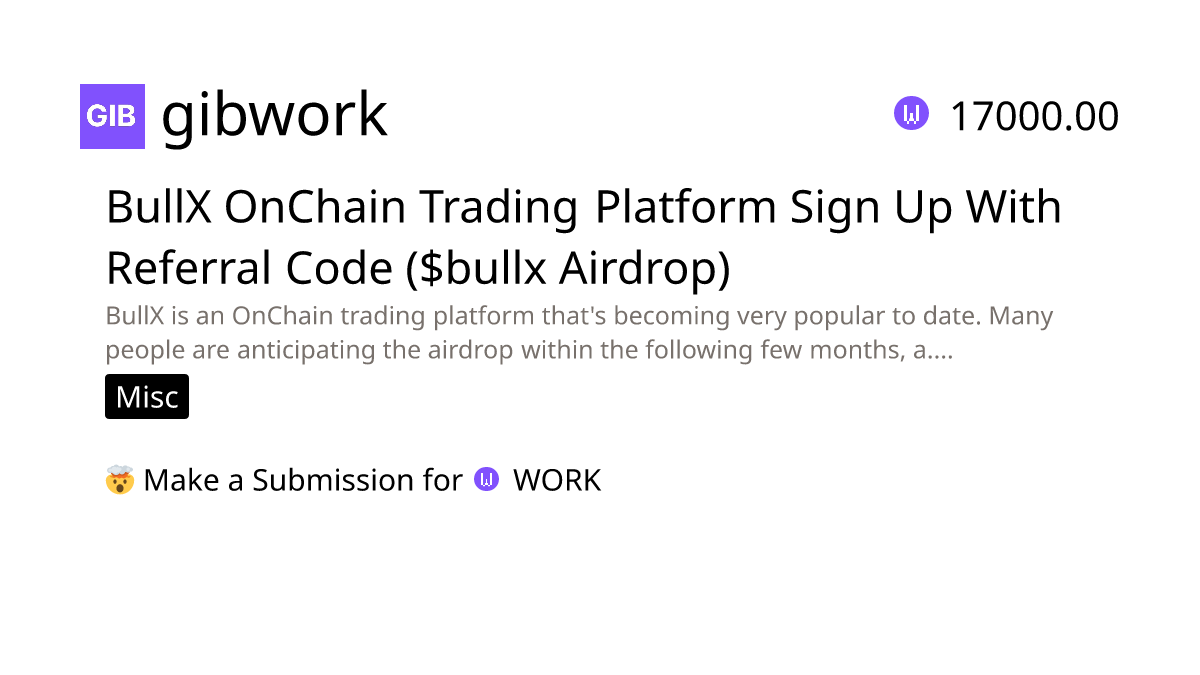
Traditional referral programs rely on off-chain links and centralized databases to track clicks and sign-ups. This creates opacity: you cannot verify if a referral was genuine or if rewards were distributed fairly. An onchain referral bounty replaces this black box with transparent smart contract logic.
In this model, the bounty is a program deployed on a blockchain that automatically tracks and rewards users for specific on-chain actions. Smart contracts handle the entire lifecycle—tracking referrals, verifying completion, and distributing rewards without human intervention. This automation removes the need for trust in a central operator.
Defining the structure requires mapping out the exact conditions for payout. Unlike off-chain systems that might suffer from data delays or manipulation, on-chain bounties execute instantly when conditions are met. This ensures that both referrers and referees receive their rewards exactly as programmed, building trust through code rather than promises.
Select the right infrastructure
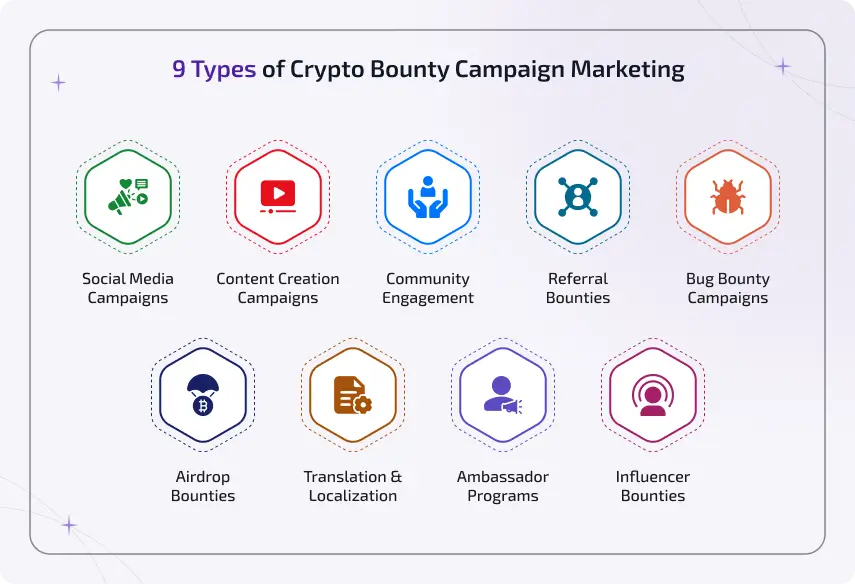
Choosing the right tooling stack for your onchain referral bounties program depends on your team’s technical capacity and security requirements. The landscape generally splits into three paths: building custom smart contracts, using no-code launchpads, or hiring specialized security auditors to vet your code.
For teams with strong engineering resources, writing custom Solidity or Rust contracts offers maximum flexibility. You control the referral logic, token distribution, and integration points. However, this path demands rigorous internal testing and often external audits to prevent exploits. If you lack a dedicated smart contract team, no-code platforms provide a faster route. Services like OnchainPay or specialized referral dashboards handle the heavy lifting, allowing you to launch a bounty program in hours rather than months. These platforms typically charge a percentage of the bounty pool or a flat setup fee.
Security is non-negotiable in crypto. Even with no-code solutions, you must verify the underlying infrastructure. Platforms like HackenProof offer referral programs that connect you with vetted security researchers. Engaging these onchain referral bounties hunters early can identify vulnerabilities before your program goes live, protecting your treasury from potential drains.
Compare infrastructure options
The table below outlines the key differences between common approaches to managing referral bounties. Use this to decide whether to build, buy, or audit.
| Infrastructure Type | Cost Structure | Automation Level | Best For |
|---|---|---|---|
| Custom Smart Contracts | Gas fees + Audit costs | High (if well-coded) | Teams with dev resources |
| No-Code Platforms | Platform fee % or flat | Very High | Quick launches |
| Security Audits | Fixed audit fee | None (verification only) | Risk mitigation |
Implement the referral workflow
Onchain Referral Bounties works best as a clear sequence: define the constraint, compare the realistic options, test the tradeoff, and choose the path with the fewest hidden costs. That order keeps the advice usable instead of decorative. After each step, pause long enough to check whether the recommendation still fits the reader's actual situation. If it depends on perfect timing, unusual access, or a best-case budget, include a simpler fallback.
Track performance and optimize
Onchain Referral Bounties works best as a clear sequence: define the constraint, compare the realistic options, test the tradeoff, and choose the path with the fewest hidden costs. That order keeps the advice usable instead of decorative. After each step, pause long enough to check whether the recommendation still fits the reader's actual situation. If it depends on perfect timing, unusual access, or a best-case budget, include a simpler fallback.
The simplest way to use this section is to write down the real constraint first, compare each option against it, and choose the path that still works outside ideal conditions.
Avoid common implementation errors
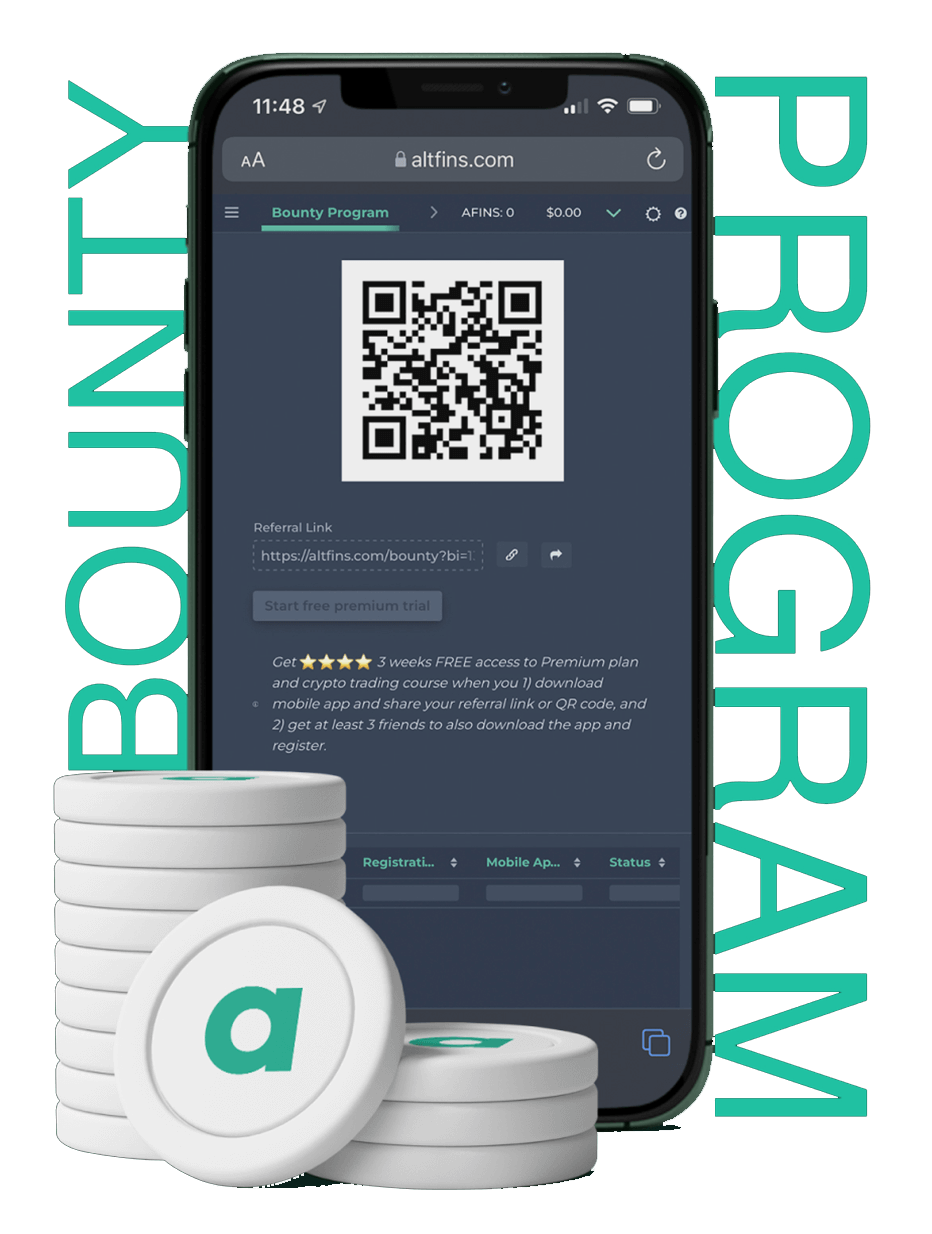
Even well-structured onchain referral bounties can fail if the underlying mechanics create friction. The most immediate killer is gas fee friction. If a referrer must pay Ethereum gas to claim a small bounty, the transaction often costs more than the reward itself. This negative ROI drives users away instantly. Implement gas abstraction or use Layer 2 solutions to keep claiming costs near zero.
Security is the next critical pillar. Without robust Sybil resistance, your bounty budget will drain to bots creating thousands of fake wallets. Use proof-of-humanity protocols or require minimum on-chain activity thresholds before a referral counts as valid. This ensures rewards go to real users, not script farms.
Finally, prioritize user experience. A referral flow that requires multiple signature approvals or complex wallet connections will see high drop-off rates. Keep the process linear: connect wallet, share link, verify action, receive reward. If the UX is clunky, even the best incentives won't convert.
-
Gas abstraction tested for low-cost claims
-
Sybil resistance enabled via proof-of-humanity
-
UX flow validated for minimal steps
Frequently asked: what to check next
Helpful gear
Use these product recommendations as a starting point, then choose the size, material, and price point that fit how you actually use the gear.


As an Amazon Associate, we may earn from qualifying purchases.
No comments yet. Be the first to share your thoughts!