Defining onchain referral bounties
Onchain referral bounties are automated incentive structures built directly into smart contracts. Unlike traditional web2 referral programs that rely on centralized databases and manual verification, these bounties execute instantly when a new user completes a specific action, such as depositing funds or making a trade. The code itself becomes the rulebook, removing the need for third-party tracking or opaque payout schedules.
This shift from manual to onchain settlement changes how founders view growth. In a web2 model, you are often guessing whether a referral was legitimate or fraudulent until a finance team audits the logs. With onchain bounties, the transaction hash serves as immutable proof. The reward is triggered by the blockchain state, not a company's internal decision. This transparency builds trust with users who are skeptical of hidden terms.
Core Difference: Smart contract automation replaces manual tracking. Payouts are deterministic and immediate, reducing operational overhead and eliminating disputes over reward eligibility.
For developers, this means integrating referral logic into the contract architecture from day one. You define the conditions—like a minimum deposit amount or a specific token transfer—and the contract handles the rest. This approach aligns incentives perfectly: growth is measured in real-time on the ledger, and rewards flow out automatically, ensuring that early adopters are compensated without delay.
Comparing onchain referral bounties tools
Choosing the right infrastructure depends on whether you value speed-to-market or granular control. OnchainPay, HackenProof, and Chainstack each serve different slices of the Web3 developer market. OnchainPay focuses on rapid integration for standard reward flows. HackenProof specializes in security-audited referral programs, appealing to projects where trust is the primary metric. Chainstack offers the underlying node infrastructure that powers custom, high-volume referral tracking without the overhead of building from scratch.
The decision often comes down to automation level and target audience. If you are launching a consumer-facing dApp, you need a solution that handles gasless transactions and simple UI components. If you are building a B2B security tool, you need explicit audit trails and compliance-ready data structures. Below is a direct comparison of how these three platforms stack up against common developer requirements.
| Provider | Primary Focus | Automation Level | Target Audience | Integration Style |
|---|---|---|---|---|
| OnchainPay | Standard reward distribution | High | Consumer dApps, gaming | SDK + API |
| HackenProof | Security-verified referrals | Medium | Security audits, B2B | Smart contract modules |
| Chainstack | Node infrastructure & scaling | Customizable | Enterprise, high-volume | Node access + Web3.js |
OnchainPay is the fastest route to a working MVP. Its SDK abstracts away the complexity of token approvals and wallet connections, allowing developers to drop a referral module into a React frontend in minutes. This is ideal for gaming projects or consumer apps where the user experience must be frictionless. However, this convenience comes with less flexibility for complex, multi-tier reward structures.
HackenProof takes a different approach by embedding security into the referral logic. Their documentation highlights a program where rewards are tied to verified project audits. This creates a high-trust environment but requires more rigorous onboarding for both referrers and referees. It is less about viral growth and more about building a credible, vetted community. The automation is present but constrained by the verification steps, making it slower but more secure.
Chainstack does not sell a "referral tool" per se; it sells the reliability needed to build one at scale. If your referral program involves millions of micro-transactions, you need the low-latency node access that Chainstack provides. You would build the logic yourself using their infrastructure, giving you total control over the smart contract and reward distribution. This is the choice for enterprise-grade applications that cannot afford downtime or centralized points of failure.
For most developers starting out, the tradeoff is between speed and control. OnchainPay gets you live quickly. Chainstack gives you the building blocks for a custom solution. HackenProof offers a niche, trust-based model. Evaluate your project's primary bottleneck: is it development time, security compliance, or transaction volume?
Market dynamics and reward structures
The onchain referral landscape for AI crypto infrastructure tools is shifting from abstract token promises to tangible, usable value. While early projects relied on speculative governance tokens to drive sign-ups, the current market favors rewards that hold immediate liquidity or utility. This shift reflects a broader maturation in user acquisition, where founders prioritize active retention over vanity metrics.
Typical reward structures for these tools fall into a predictable range. Industry data suggests that most crypto referral programs offer rewards between $10 and $250 per active user. This range balances the cost of customer acquisition with the lifetime value of an infrastructure user. Rewards are increasingly paid in stablecoins or native utility tokens rather than volatile governance assets, ensuring that the referrer can actually use the incentive within the ecosystem.
The economic incentive is clear: lower friction leads to higher conversion. When a user refers a peer, they expect a reward that mirrors the value they perceive in the tool itself. For AI infrastructure, this often means fee discounts, compute credits, or direct token airdrops. The lack of a hard cap on rewards, as seen in campaigns like Crypto.com’s Referral Rush, further encourages viral growth by removing the ceiling on potential earnings for top-tier referrers.
To understand the broader economic context of these incentives, it is helpful to look at the performance of the underlying assets. Many AI infrastructure tokens are correlated with broader market movements, making the timing of reward distribution critical.
Note: AI infrastructure projects often align their tokenomics with the performance of major AI-related equities to capture institutional interest.
When evaluating these programs, founders should look beyond the headline reward amount. The frequency of payouts, the clarity of terms, and the ease of claiming rewards are the true drivers of sustained community engagement. A simple, transparent structure often outperforms a complex, high-value one that confuses users.
Strategic implementation for web3 projects
Building a referral program on-chain removes the middleman, but it shifts the burden to your smart contract infrastructure. Unlike traditional web2 systems where a database tracks clicks, on-chain referrals rely on immutable ledgers to verify eligibility and distribute rewards. This transparency builds trust, but it also means every step must be coded precisely to prevent exploits.
The foundation of any effective program is a robust smart contract. This contract acts as the central authority, handling referral tracking, reward calculation, and distribution without human intervention. You need to decide whether rewards are paid in the project’s native token, stablecoins, or NFTs, as this decision impacts gas costs and user incentives. Automation here is not just a feature; it is the core value proposition that drives organic growth.
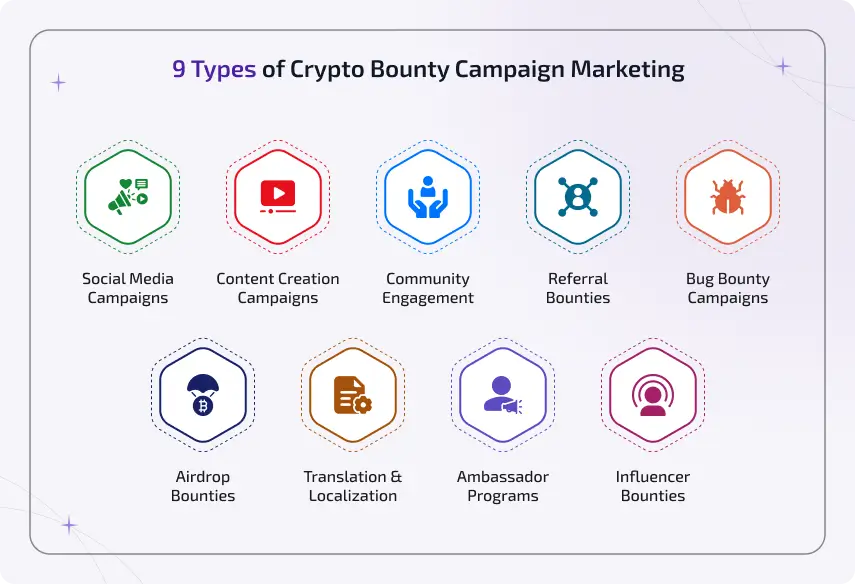
Start by defining the reward structure. Will you use a flat fee per successful referral or a tiered system based on the new user’s activity? Clear, simple logic is easier to audit and more attractive to users. Consider using a standard token interface to ensure compatibility with major wallets and exchanges. This step sets the economic parameters that will drive user behavior.
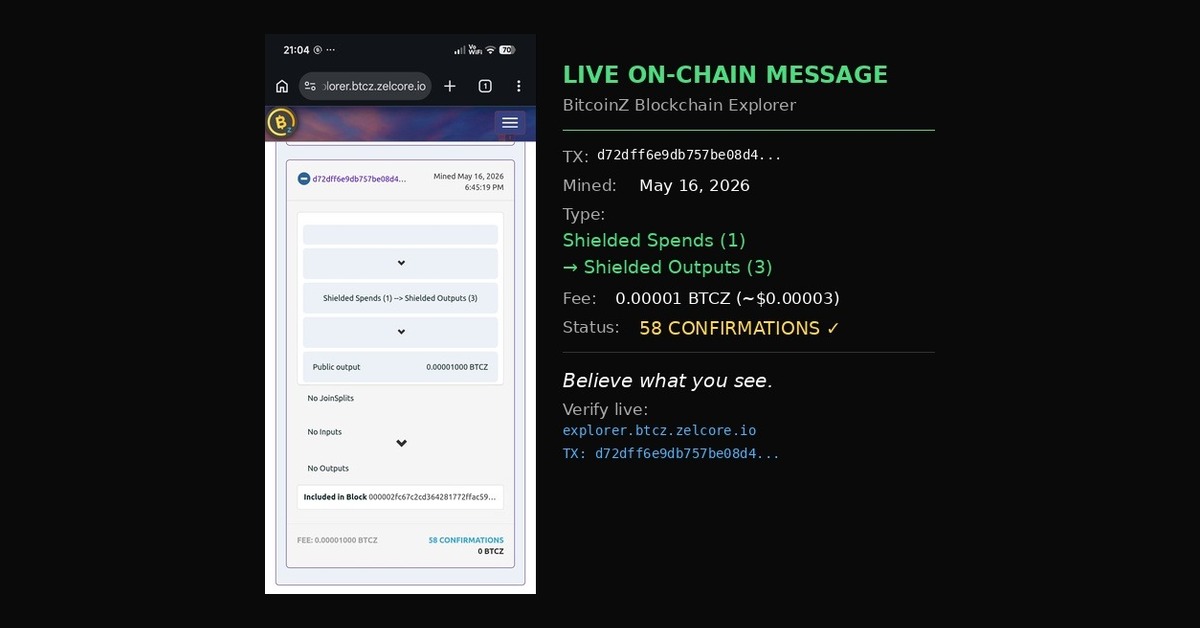
Prevent sybil attacks by verifying that new users are unique. This can be done by checking on-chain history, requiring a minimum token balance, or integrating with identity protocols. The goal is to ensure that rewards go to genuine participants. Smart contracts should reject duplicate addresses or known bot wallets before any transaction is processed.

Once the contract is deployed and audited, open the program to the public. Monitor on-chain metrics to track referral rates and reward payouts. Use these data points to adjust incentives if the program stalls. Transparency in these metrics allows the community to see the program working in real-time, reinforcing confidence in the project.
Technical infrastructure alone does not guarantee success. Community engagement is the engine that keeps the referral loop running. You need to communicate the benefits clearly through your social channels and discord. Highlight early adopters who have successfully claimed rewards to create social proof. When users see their peers earning value, they are more likely to participate and share the program within their own networks.
Finally, consider the long-term sustainability of your reward pool. Ensure you have a treasury strategy that can support payouts even during market downturns. A well-funded program signals stability, encouraging larger players to join. By combining solid code with active community management, you create a referral system that grows organically and securely.
Helpful gear
Use these product recommendations as a starting point, then choose the size, material, and price point that fit how you actually use the gear.



As an Amazon Associate, we may earn from qualifying purchases.
No comments yet. Be the first to share your thoughts!