Get onchain referral bounties right
Before you launch a campaign, treat your infrastructure as the foundation, not an afterthought. On-chain referral programs differ from traditional web2 systems because smart contracts handle the tracking, distribution, and verification automatically. If the contract logic is flawed, users lose trust and funds are at risk. On-chain referral development requires rigorous auditing to ensure that reward distribution matches the intended incentives.
Start by defining the reward structure. Will you pay in native tokens, stablecoins, or a hybrid model? The choice affects liquidity and user behavior. Next, verify the technical stack. Ensure your wallet integration supports the necessary gas standards and that your tracking mechanism accurately attributes referrals to the correct referrer. A simple bug in the attribution logic can lead to unpaid rewards or double-spending.
Finally, test the user journey end-to-end. Simulate the sign-up, referral link sharing, and reward claim process on a testnet. This step reveals friction points that users might abandon. Clear documentation and a smooth onboarding flow are essential for adoption. Without these prerequisites, even the most generous bounty structure will fail to retain participants.
Work through the steps
Onchain referral bounties automate the traditional affiliate model using smart contracts. Instead of relying on manual tracking, these programs use on-chain activity to verify referrals and distribute rewards. This structure reduces fraud and ensures transparency, but it requires careful setup to align incentives with long-term growth.
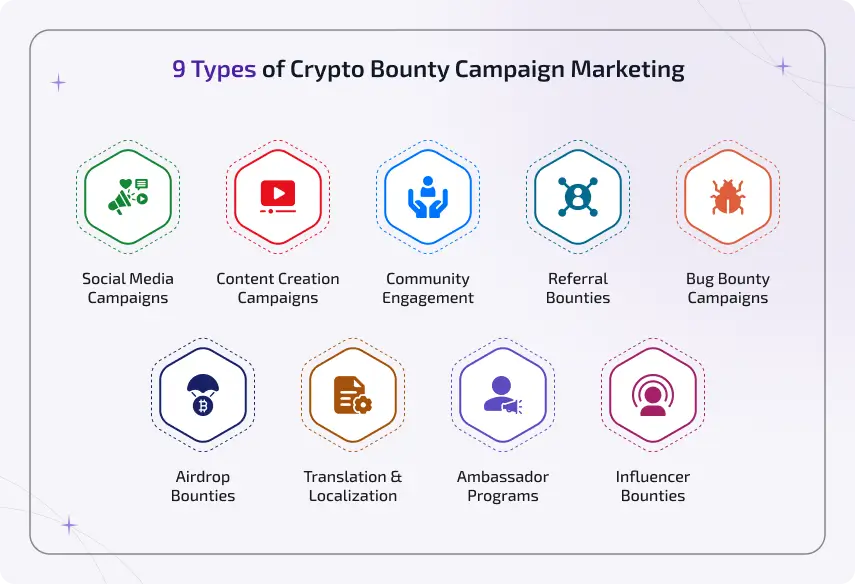
Start by determining the reward type. Common models include direct token distributions, airdrops for holding specific assets, or fee discounts. For AI infrastructure projects, rewarding users with governance tokens or staking yields often aligns better with community retention than one-time cash payments. Decide if rewards are tiered based on the referred user’s activity level.

Use a verified smart contract to handle the logic. The contract must record the referrer’s address, the referee’s address, and the timestamp of the interaction. Ensure the contract includes anti-sybil protections to prevent users from creating multiple wallets to game the system. Platforms like Rock n Block offer development guides for automating this distribution process securely.
Users need a unique identifier to share. This can be a simple alphanumeric code or a wallet address hash. Integrate this into your dApp’s sign-up flow so new users can input the code during registration. The smart contract should validate this code against the registry before crediting the referrer. Make the process frictionless; if signing a transaction is required just to claim a referral, drop-off rates will spike.
Once a referred user completes a qualifying action (such as a minimum deposit or trade volume), the contract automatically triggers the reward distribution. Ensure the reward token is approved for transfer by the referrer’s wallet. Monitor the transaction logs to confirm successful payouts. If a transaction fails due to gas issues or insufficient approval, provide a clear error message for the user to retry.
Regularly review the on-chain data to identify which referral sources drive the most valuable users. If certain channels attract high-churn users, adjust the incentive structure to penalize low-quality sign-ups. Use the data to refine your marketing strategy and allocate more resources to the most effective referral partners.
Fix common mistakes
Most onchain referral campaigns fail because they prioritize volume over verification. When you skip basic checks, you invite sybil attacks and waste budget on bots that never convert. The following errors are the most common reasons projects burn through their bounty pool without gaining real users.
Using vanity metrics instead of onchain proof
Relying on social media likes or email signups as referral criteria is a fast track to fraud. Bots can generate thousands of fake engagements for pennies. Instead, require verifiable onchain actions. Ask referrers to provide a transaction hash where the new user has made their first swap or provided liquidity. This ensures you are paying for actual adoption, not just noise. Smart contracts like those used in RocknBlock can automate this verification, but only if you set the threshold correctly.
Ignoring gas fees for small rewards
If your referral reward is $5 but the user needs to spend $10 in gas to claim it, the program will flop. This is especially true on Ethereum mainnet during high congestion. Always calculate the "net value" of the reward after gas costs. For smaller incentives, deploy your referral contract on a Layer 2 network like Arbitrum or Base, where fees are negligible. This keeps the barrier to entry low for new users who are already hesitant about crypto complexity.
Failing to cap or time-bound rewards
Open-ended referral programs attract professional sybil farms who automate signups until you run out of funds. You must set a hard cap on total rewards per wallet or per campaign duration. Use a time-bound window (e.g., "first 100 valid referrals only") to create urgency and prevent long-term exploitation. Without these limits, your treasury can be drained in hours by scripted attackers who know how to game your logic.
Onchain Referral Bounties FAQs
Addressing the practical objections and mechanics of onchain referral bounties helps you avoid common pitfalls and maximize your incentives. Below are the most frequent questions regarding rewards, codes, and platform selection.
No comments yet. Be the first to share your thoughts!