What onchain referral bounties actually are
Onchain referral bounties are automated incentive systems where smart contracts handle the entire lifecycle of a referral program. Unlike traditional affiliate marketing, which often relies on centralized databases and manual verification, these onchain programs execute instantly and transparently on the blockchain. When a user invites someone who completes a specific action—such as signing up for a protocol or making a trade—the smart contract automatically verifies the eligibility and distributes the reward.
This shift from centralized tracking to decentralized automation removes the friction and opacity that often plague traditional affiliate programs. In a standard affiliate setup, disputes over attribution or delayed payments are common because the tracking data is held by a single entity. Onchain bounties replace this with immutable code. Every referral link, click, and conversion is recorded on-chain, creating a public ledger that anyone can audit. This transparency builds trust, as users know exactly how rewards are calculated and when they will be received.
The infrastructure behind these bounties is designed for efficiency and security. Smart contracts not only track referrals but also manage the distribution of tokens, ensuring that funds are released only when predefined conditions are met. This automation reduces the operational overhead for projects and eliminates the risk of human error or manipulation. As a result, onchain referral bounties have become a powerful tool for driving organic growth in the Web3 space, allowing projects to incentivize community expansion without relying on third-party intermediaries.
Top infrastructure tools for 2026
The onchain referral landscape has shifted from simple bonus codes to complex, automated smart contract systems. In 2026, the primary differentiator is no longer just the reward structure, but the underlying infrastructure's ability to handle high-frequency micro-transactions across multiple chains without breaking the bank on gas fees.
For AI crypto networks, this infrastructure must be modular. It needs to support programmatic integration via APIs, offer real-time analytics for fraud detection, and allow for dynamic reward adjustments based on network conditions. The following comparison highlights the leading technical stacks enabling these programs.
| Provider | Integration | Security Focus | Supported Chains | Cost Model |
|---|---|---|---|---|
| HackenProof | API + Smart Contract | Audited white-label programs | Multi-chain | Setup fee + per-referral |
| Goldcast (Web3 Module) | SaaS Dashboard + API | Enterprise-grade compliance | EVM-focused | Subscription + token rewards |
| Custom Solidity/Vyper | Developer-built SDKs | Custom audit scope | Any (via bridges) | Gas + dev overhead |
| Thirdweb Referral SDK | No-code + Code-based | Standardized templates | Multi-chain (L2s) | Transaction fees only |
HackenProof and Enterprise-Grade Solutions
HackenProof stands out for projects requiring immediate, audited deployment. Their referral program infrastructure is designed for white-labeling, meaning AI networks can launch a trusted referral system without building the underlying trust layer from scratch. The platform handles the complexity of cross-chain reward distribution, which is critical for AI tokens that may operate on both Ethereum L2s and Solana. According to their documentation, the system is designed to walk users through the referral process while ensuring the rewards are transparent and verifiable on-chain.
Custom Smart Contract Development
For AI networks with unique tokenomics, custom development remains the gold standard for flexibility. Using languages like Solidity or Vyper allows teams to build referral logic that interacts directly with their AI model's incentive structures. This approach offers full control over gas optimization and fraud prevention mechanisms. However, it requires significant engineering resources and rigorous auditing. As noted in industry guides, on-chain referral development allows for full automation, where smart contracts handle everything from tracking referrals to verifying eligibility, but this comes with the responsibility of maintaining secure code.
No-Code and SDK-Based Solutions
Platforms like Thirdweb provide SDKs that simplify the integration of referral systems into dApps. These tools are ideal for teams that want to move fast and iterate quickly. By leveraging standardized templates, AI projects can deploy referral programs on multiple L2s with minimal overhead. While this approach reduces initial development time, it may limit the ability to create highly customized reward tiers or complex multi-tier referral structures.
Market Analysis of AI Crypto Referral Networks
The intersection of artificial intelligence and decentralized finance has created a distinct market segment where user acquisition is no longer just about marketing spend—it is about infrastructure. AI-focused crypto projects are increasingly leveraging onchain referral bounties to drive community growth, turning early adopters into distributed sales forces. This shift reflects a broader trend where token incentives are aligned directly with measurable network expansion rather than passive holding.
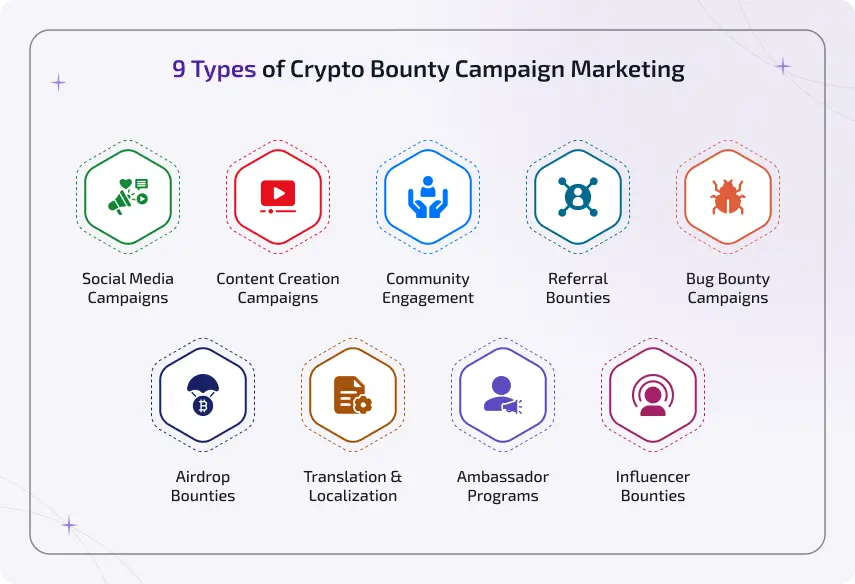
To understand the scale of this movement, it is useful to look at the performance of leading AI tokens. Projects like Fetch.ai (FET) and Render (RNDR) have seen significant volatility and growth correlated with their community engagement strategies. The following chart visualizes the recent price action of a representative AI crypto asset, highlighting how market sentiment often shifts in tandem with major referral program launches or infrastructure upgrades.
The data suggests a strong correlation between active referral networks and token velocity. When projects implement transparent, onchain bounty structures, they reduce the friction of trust. Users can verify their rewards instantly, which encourages higher participation rates compared to traditional, opaque marketing campaigns. This transparency is becoming a key differentiator for new AI crypto projects seeking to stand out in a crowded market.
While the technical charts provide a macro view, the ground-level sentiment often reveals the true health of these referral ecosystems. Community discussions on platforms like Reddit frequently highlight the effectiveness of specific bounty programs, offering qualitative data that complements the quantitative market trends. These community signals are often leading indicators of sustained user adoption beyond initial speculation.
Case studies in referral growth
Onchain referral bounties have evolved from simple "invite-a-friend" links into sophisticated growth engines that align user acquisition with protocol liquidity. The most successful campaigns treat referrals not as marketing expenses, but as a distribution layer for network effects.
Crypto.com Onchain: No-Cap Tiered Rewards
Crypto.com’s Referral Rush campaign demonstrates the power of uncapped upside in driving viral loops. By offering CRO rewards with no ceiling, the platform incentivizes power users to become distribution nodes. The structure is straightforward: share a code, and both parties receive bonuses, but the referrer’s earnings scale with every successful conversion. This removes the friction of hitting a reward cap, encouraging sustained promotion rather than one-off shares. The campaign leverages the platform’s existing liquidity, making the CRO rewards immediately usable for trading or staking, which increases their perceived value.
Coinbase: Bounty-Driven Engagement
While primarily known for bug bounties, Coinbase’s approach to onchain incentives offers a parallel lesson in high-stakes reward structures. Their $5 million bug bounty program shows that substantial, transparent payouts can mobilize a global community to protect and promote a platform. Applied to referrals, this suggests that tiered, milestone-based rewards—rather than flat fees—can drive higher quality engagement. Users are more likely to refer peers who are genuinely likely to stay if they perceive the reward as a significant, earned milestone.
Building your onchain referral strategy
Launching a referral bounty program requires more than just posting a link. You need a structured approach that balances technical security with economic incentives. This framework walks you through the essential steps to deploy a program that drives organic growth without exposing your protocol to exploits.
Start by determining what you are rewarding. Most successful programs use a tiered model: a direct token reward for the referrer and a bonus for the new user. Ensure the reward cap is sustainable against your tokenomics. Avoid open-ended rewards that could drain your treasury if adoption spikes unexpectedly.
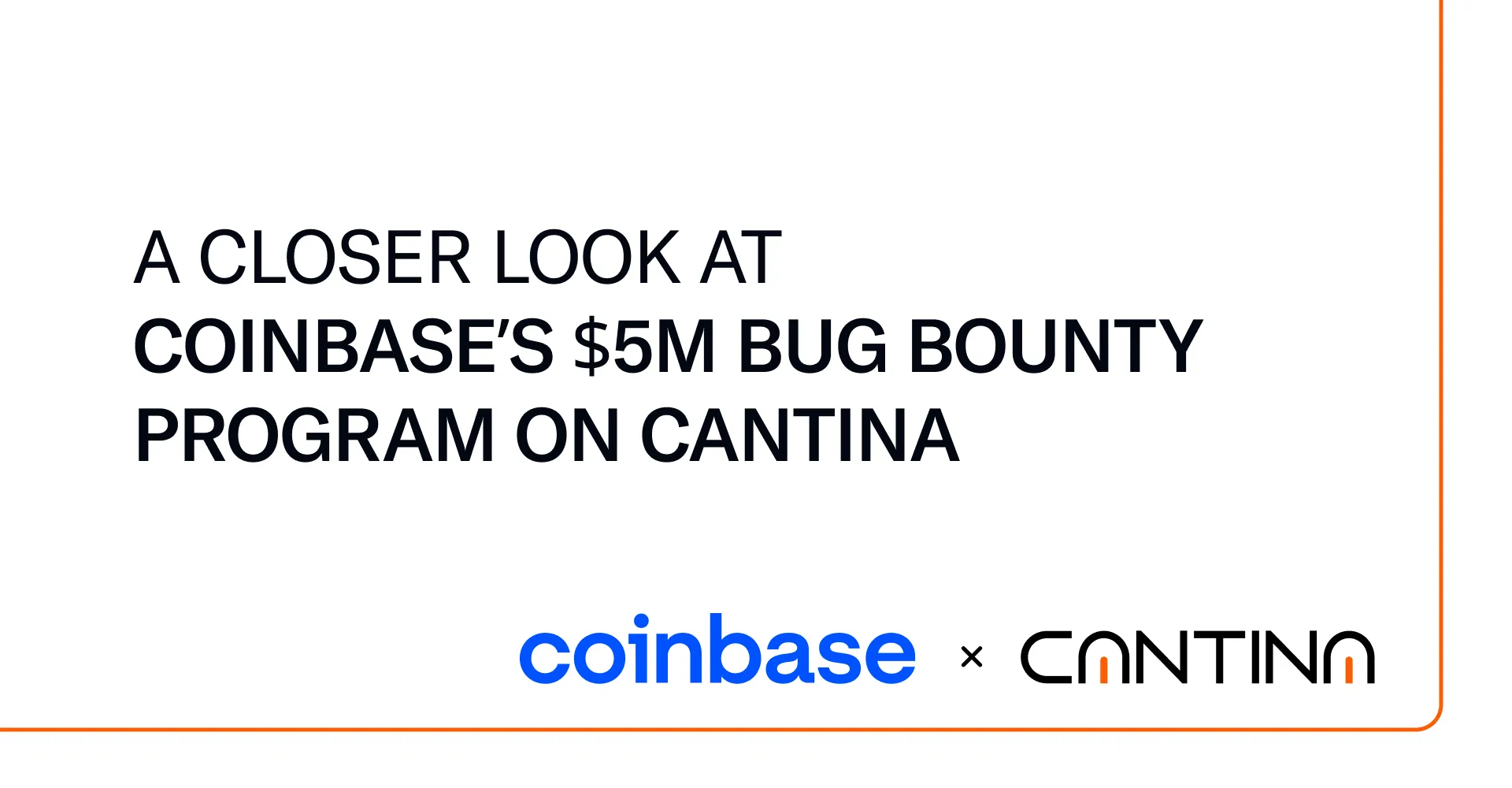
Choose a platform that handles the complex logic of tracking referrals and distributing rewards. Options range from custom smart contracts to no-code bounty platforms. For high-stakes environments, prioritize platforms that offer transparent on-chain verification of referrals to prevent fraud.
Even decentralized programs operate within legal frameworks. Clearly define eligibility criteria, such as geographic restrictions or KYC requirements if necessary. Transparency in your terms of service builds trust and reduces the risk of regulatory pushback later.

Never launch a referral contract without a professional audit. Smart contract vulnerabilities are a primary attack vector for bounty programs. Use testnets to simulate user behavior and ensure rewards distribute correctly under various scenarios.

Go live with a clear monitoring plan. Track key metrics like referral conversion rates, cost per acquisition, and secondary market impact. Use this data to adjust rewards or marketing channels in real time.
A well-structured referral program acts as a growth engine, but only if the underlying mechanics are sound. Prioritize security and clarity over aggressive short-term gains.
Helpful gear
Use these product recommendations as a starting point, then choose the size, material, and price point that fit how you actually use the gear.


As an Amazon Associate, we may earn from qualifying purchases.
No comments yet. Be the first to share your thoughts!