why onchain referrals beat traditional models
Traditional referral programs for AI infrastructure often feel like a black box. You share a link, track clicks in a dashboard, and wait for a manual payout that might never arrive. Onchain referral bounties replace this opacity with transparent, immutable smart contract logic. This shift reduces fraud and builds the user trust necessary for high-stakes financial and technical decisions.
The core advantage lies in automation. When a referral is valid, the smart contract executes the payout instantly. There is no middleman to delay payment or dispute the result. For AI infrastructure projects, where token incentives are significant, this immediacy ensures that promoters are rewarded accurately and on time.
This transparency also extends to the rules themselves. Anyone can audit the contract to see exactly how rewards are calculated and distributed. This open verification process eliminates the hidden fees and arbitrary adjustments that often plague traditional affiliate marketing, making onchain bounties a more reliable foundation for growth.
Define your reward tokenomics
The first step in launching an onchain referral bounty is deciding what you are actually paying out. The token you choose becomes the primary lever for attracting AI developers and users. If the reward is too small, you will struggle to compete with established protocols. If it is too large, you risk draining your treasury before the network effects kick in.
Start by selecting the reward token. This is often your project’s native token, but some programs use stablecoins or a mix of assets to reduce volatility for participants. For AI infrastructure projects, using a governance token like TAO or FET can signal long-term alignment, though it introduces price risk. You must calculate the total cost of the bounty against your available liquidity. A sustainable model ensures you can pay out consistently without diluting existing holders.
Next, set the distribution tiers. Simple flat-rate bounties are easy to manage but may not incentivize high-quality referrals. Consider a tiered structure where higher-value conversions (like signed API contracts or long-term subscriptions) unlock larger rewards. This encourages referrers to target serious users rather than casual sign-ups.
On-chain verification is essential for maintaining trust. Users need clear proof that their referral was tracked correctly and that rewards are distributed according to your rules. Using transparent smart contracts allows participants to verify the logic themselves, reducing support tickets and disputes.
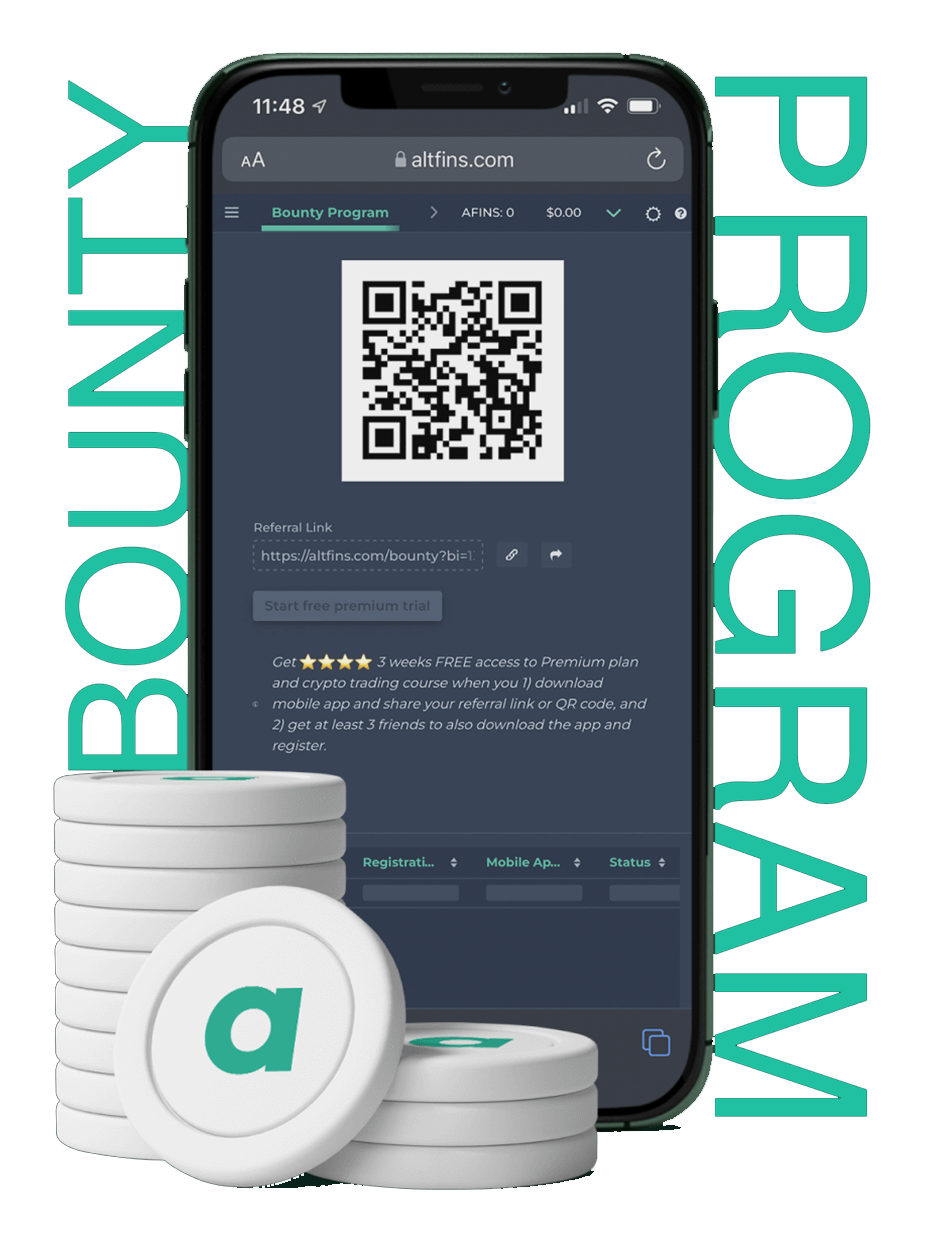
Finally, define the vesting schedule. Do not release all rewards immediately. A vesting period ensures that referrers remain engaged with the ecosystem over time. It also protects your project from sybil attacks, where bad actors create fake referrals to drain the bounty pool quickly. By spreading out payouts, you align the referrer’s interests with the long-term health of the network.
Select infrastructure and tools
Choosing the right stack determines whether your onchain referral bounties run smoothly or get stuck in verification limbo. You need three things: a way to track clicks or sign-ups, a method to verify the action, and a smart contract to pay out rewards automatically.
OnchainPay handles the payout logic and tracking. HackenProof focuses on security audits and bug bounty verification. Chainstack provides the node infrastructure to keep everything on-chain and fast. Each tool solves a different part of the problem.

Compare infrastructure providers
Use this comparison to match your project’s needs with the right tool. OnchainPay is best for straightforward affiliate payouts. HackenProof is ideal if your bounties involve security testing. Chainstack is the backbone for any project needing reliable blockchain access.
| Provider | Primary Focus | Payout Speed | Best For |
|---|---|---|---|
| OnchainPay | Payout Automation | Instant | Affiliate marketing |
| HackenProof | Security Audits | Manual Review | Bug bounties |
| Chainstack | Node Infrastructure | N/A | Backend reliability |
Verify and integrate
Once you pick your providers, integrate them into your workflow. OnchainPay connects directly to your smart contract for automatic payments. HackenProof requires manual review of submitted vulnerabilities before rewards are released. Chainstack nodes need to be configured to handle your referral tracking data efficiently.
Checklist:
-
Set up OnchainPay for automated payouts
-
Configure HackenProof for security verification
-
Connect Chainstack nodes for reliable data access
-
Test the full referral flow with a small budget
Automate tracking and payouts
On-chain referral development allows full automation. Smart contracts handle everything: tracking referrals, distributing rewards, and verifying eligibility. This removes intermediaries, reducing costs and friction for both projects and users.
The process relies on wallet addresses rather than personal information, prioritizing user privacy. Here’s how to structure the technical implementation.
Create a smart contract that stores unique referral codes or wallet pairs. This registry acts as the source of truth, mapping each referred user to their referrer. Ensure the contract includes functions to register new referrals and verify existing ones.
Link the referral registry to your dApp’s user interface. When a new user signs up or makes a transaction, the contract checks for a valid referral code. If valid, the contract updates the registry to record the relationship. This step ensures accurate attribution without manual intervention.
Define the reward structure directly in the smart contract. Specify the token, amount, and conditions for payout. When a referred user completes a qualifying action, the contract automatically triggers the reward distribution. This eliminates delays and ensures transparency.
Before launching, thoroughly test the contract to prevent exploits. Use automated testing frameworks to simulate various scenarios, including edge cases. Consider hiring a third-party auditor to review the code for security vulnerabilities. This step is critical for maintaining trust and protecting user funds.
Common pitfalls in referral bounties
Even well-funded AI infrastructure projects can bleed capital through flawed referral mechanics. The most frequent failure points involve identity verification, user friction, and token emission design. Addressing these early prevents costly rewrites later.
Sybil attacks drain your budget
Automated bots are the fastest way to empty a bounty pool. Without strict identity verification or proof-of-humanity checks, attackers create thousands of fake wallets to claim rewards. This inflates your user count while delivering zero real engagement. Implementing on-chain verification helps distinguish genuine participants from scripts, ensuring rewards go to actual users who contribute value to the network.
Poor UX creates silent drop-offs
Referral links that require complex wallet interactions or unclear reward claims will lose users before they convert. If a participant cannot easily track their status or claim their token, they will abandon the process. Keep the flow simple: connect wallet, share link, earn reward. Complex multi-step transactions are the enemy of conversion.
Unsustainable token emissions
Offering excessive token rewards upfront can destabilize your economy. If the incentive cost exceeds the value generated by new users, your token price will suffer. Design emissions that align with long-term retention rather than short-term spikes. Ensure the cost of acquisition is lower than the lifetime value of the referred user.
No comments yet. Be the first to share your thoughts!