What onchain referral bounties actually are
Onchain referral bounties are automated reward systems built directly into smart contracts. Instead of relying on opaque tracking links or manual verification, these programs use code to track referrals, distribute rewards, and verify eligibility. This infrastructure shift moves referral marketing from a trust-based model to a verifiable one.
Traditional web2 affiliate programs often suffer from attribution gaps and delayed payouts. Onchain referrals replace these friction points with transparent, wallet-based interactions. Every action is recorded on the blockchain, ensuring that both the referrer and the referee can see exactly how rewards are calculated and distributed. This transparency reduces disputes and builds trust in the program's integrity.
The core advantage is automation. Smart contracts handle the entire lifecycle of a referral without human intervention. When a new user signs up using a referrer's wallet address, the contract automatically checks eligibility and triggers the reward transfer. This instant gratification encourages organic growth and reduces the operational overhead for project teams.
By removing intermediaries, onchain bounties create a more efficient market for user acquisition. Projects can offer competitive incentives knowing that the distribution mechanism is secure and immutable. This approach aligns the interests of the platform, the referrer, and the new user, fostering a more sustainable growth loop.
Infrastructure tools for AI crypto projects
Building a referral engine for an AI crypto project requires infrastructure that can handle complex tokenomics, multi-chain distributions, and high-volume on-chain verification. Unlike traditional SaaS referrals, onchain programs need smart contract compatibility and real-time settlement to maintain trust and liquidity. The right tool stack reduces friction for both referrers and referees while ensuring the project retains control over reward pools.
Key Infrastructure Providers
Several platforms have emerged to bridge the gap between AI project needs and onchain mechanics. These providers vary in their focus, from general-purpose crypto referrals to specialized AI-agent integration.
| Provider | Multi-Chain Support | AI Project Compatibility | Reward Flexibility | Primary Use Case |
|---|---|---|---|---|
| Onchain Referral Bounties | EVM, Solana, Cosmos | High (Native AI Agent Support) | Token, NFT, Stablecoin | AI-driven bounty distribution |
| Referral Factory | EVM, L2s | Medium (API-First) | Token, Fiat, Points | Standard crypto onboarding |
| Coinbase Commerce | EVM | Low (Standard Integration) | Token, Fiat | Simple exchange referrals |
| Binance Referral API | Binance Chain, EVM | Low (Centralized Focus) | BNB, USDT | Exchange user acquisition |
Onchain Referral Bounties stands out for AI projects due to its native support for AI agents. This allows autonomous agents to participate in referral networks, claiming rewards for driving traffic or validating data, a feature less common in traditional crypto referral tools. Referral Factory offers a more robust API-first approach for projects that want to build custom frontends but may lack the specific AI-agent logic needed for decentralized AI models.
Market Context and Volatility
The value of referral rewards is directly tied to the underlying asset's performance. For AI tokens, which can be highly volatile, infrastructure must support dynamic reward adjustments to maintain incentive alignment.
The chart above illustrates the volatility typical of AI-adjacent crypto assets. Infrastructure tools must handle these fluctuations by allowing projects to set reward caps or switch to stablecoin equivalents automatically. This prevents reward pools from being drained during market dips or becoming too expensive during spikes.
Choosing the Right Stack
For projects focused on AI agent economies, Onchain Referral Bounties provides the necessary flexibility for agent-to-agent referrals. For traditional AI projects needing standard user acquisition, Referral Factory’s API offers greater customization for frontend experiences. The choice depends on whether the referral loop involves autonomous agents or human users primarily.
Market research and growth signals
The infrastructure for onchain referral bounties is shifting from experimental to essential as the AI crypto narrative matures. Traditional web3 marketing analytics tracks wallet addresses and onchain behavior, replacing the cookie-based tracking of the old web. This shift allows protocols to attribute value with precision, turning vague "viral growth" into measurable, onchain data.
User adoption rates are climbing alongside this infrastructure maturity. Protocols that integrate smart contract-based referral systems see higher retention because the incentive structure is transparent and automated. Instead of relying on offchain promises, bounties are executed via code, reducing friction and building trust among participants who are increasingly wary of opaque terms.

The specific value proposition lies in the alignment of interests. When referral bounties are tied to AI-driven tokenomics or protocol usage metrics, they create a self-reinforcing growth loop. Early adopters are rewarded not just for signing up, but for driving meaningful engagement, which filters out low-quality traffic and attracts serious users.
Building a high-stakes referral strategy
Onchain referral bounties are not marketing campaigns; they are economic protocols. Unlike traditional affiliate links, these systems require precise smart contract logic to prevent Sybil attacks and ensure payouts are tied to verifiable, high-value actions. You are building a market where trust is enforced by code, not by promises.
The infrastructure must be robust enough to handle volatility. If your bounty pool is denominated in a volatile asset, your referrers will demand higher rates to compensate for risk, or they will leave when the market dips. Aligning incentives means designing a system where the cost of acquisition remains predictable for the protocol, even as token prices swing.
Step 1: Define the Onchain Action
Start by identifying the specific onchain interaction that holds the most value for your protocol. Is it a successful liquidity provision? A long-term staking commitment? Or a referral that leads to a deposit above a certain threshold? Avoid vague metrics like "sign-ups". Onchain, you can verify exactly what happened. Use this data to set the bounty tier. High-stakes bounties should reward actions that lock up capital or demonstrate long-term commitment, not just short-term speculation.
Step 2: Choose Your Payout Asset
Decide whether payouts will be in your native token, a stablecoin, or a share of protocol revenue. Native tokens align referrers with long-term protocol health but expose them to price risk. Stablecoins offer predictability but may feel less "owned" by the ecosystem. Many successful protocols use a hybrid model: a base payout in stablecoins to cover basic effort, with a bonus in native tokens for exceptional performance. This balances risk and reward, keeping referrers engaged even during bear markets.
Step 3: Implement Sybil Resistance
Your smart contracts must include mechanisms to detect and prevent Sybil attacks. This means verifying that referrals are not coming from the same entity or coordinated groups. Use onchain identity tools or require a minimum deposit from the referrer to participate. This "skin in the game" ensures that only serious actors with genuine networks will invest the effort to refer. Without this layer, your bounty pool will be drained by bots.
Step 4: Design the Tracking Layer
You need a reliable way to attribute referrals to specific wallets. This often involves a two-step process: the referrer shares a unique code or link, and the referred user interacts with the protocol. Your backend or smart contract must log this interaction immutably. Consider using a decentralized oracle or a specialized tracking service like Immunefi’s infrastructure to handle the complexity of attribution across multiple chains and protocols. This ensures that every payout is accurate and transparent.
Step 5: Launch with a Limited Pool
Do not open your bounty program to the entire market immediately. Start with a limited pool of trusted referrers or a small budget. This allows you to test your tracking logic, payout mechanisms, and user experience in a controlled environment. Monitor the data closely. Are the payouts matching the intended actions? Are there any unexpected edge cases? Once you have validated the system, you can scale the budget and open it to a wider audience.
Step 6: Monitor and Adjust
Referral programs are dynamic. Market conditions change, and referrer behavior evolves. Regularly review your data to see which actions are driving the most value. If certain referral sources are bringing in low-quality users, adjust the bounty rates or add additional verification steps. Use real-time market data to inform your decisions. If the token price is volatile, consider adjusting the payout structure to maintain stability for your referrers.
Identify the specific onchain interaction that holds the most value for your protocol. Avoid vague metrics like "sign-ups". Onchain, you can verify exactly what happened. Use this data to set the bounty tier. High-stakes bounties should reward actions that lock up capital or demonstrate long-term commitment, not just short-term speculation.

Decide whether payouts will be in your native token, a stablecoin, or a share of protocol revenue. Native tokens align referrers with long-term protocol health but expose them to price risk. Stablecoins offer predictability but may feel less "owned" by the ecosystem. Many successful protocols use a hybrid model: a base payout in stablecoins to cover basic effort, with a bonus in native tokens for exceptional performance. This balances risk and reward, keeping referrers engaged even during bear markets.
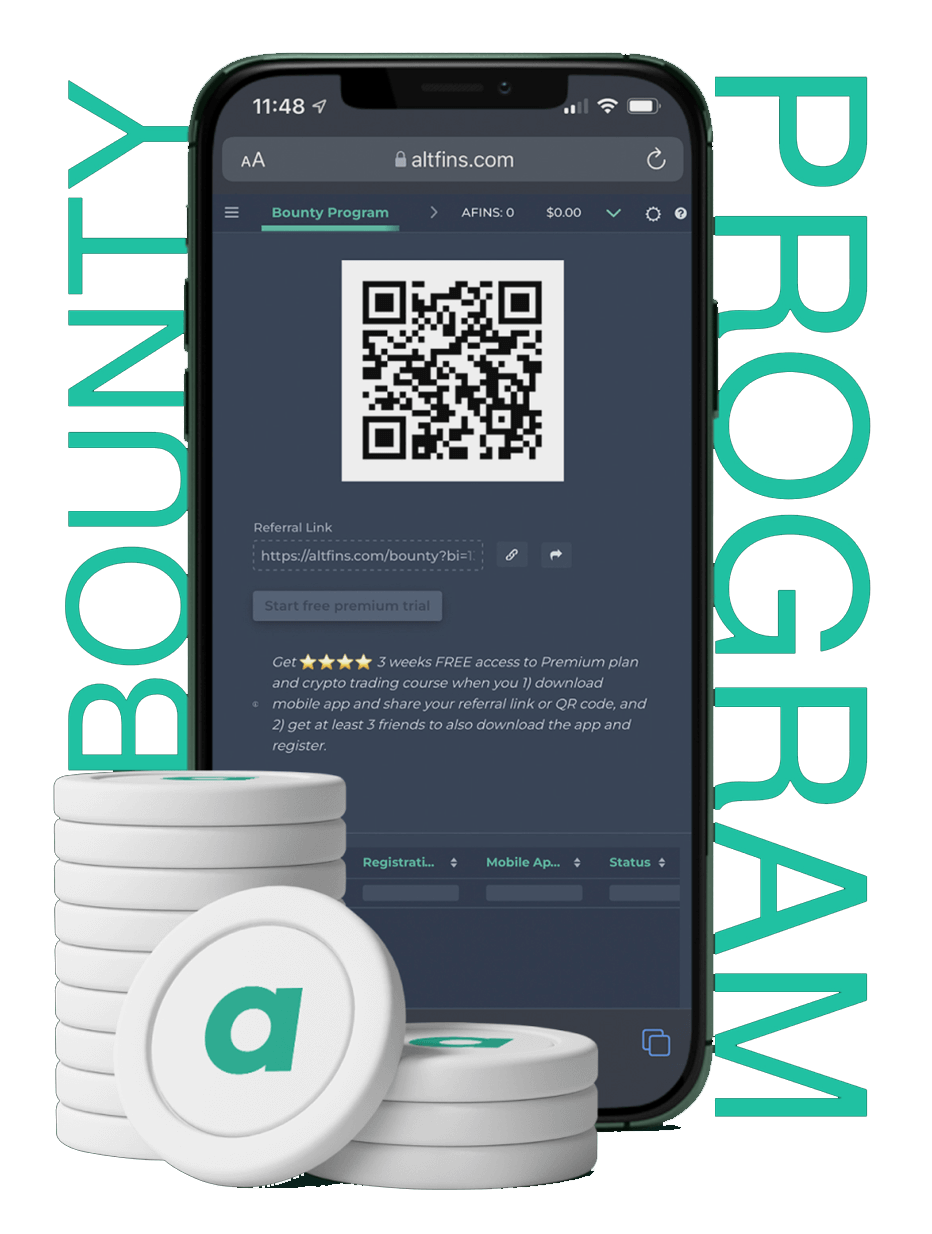
Your smart contracts must include mechanisms to detect and prevent Sybil attacks. This means verifying that referrals are not coming from the same entity or coordinated groups. Use onchain identity tools or require a minimum deposit from the referrer to participate. This "skin in the game" ensures that only serious actors with genuine networks will invest the effort to refer. Without this layer, your bounty pool will be drained by bots.

You need a reliable way to attribute referrals to specific wallets. This often involves a two-step process: the referrer shares a unique code or link, and the referred user interacts with the protocol. Your backend or smart contract must log this interaction immutably. Consider using a decentralized oracle or a specialized tracking service like Immunefi’s infrastructure to handle the complexity of attribution across multiple chains and protocols. This ensures that every payout is accurate and transparent.
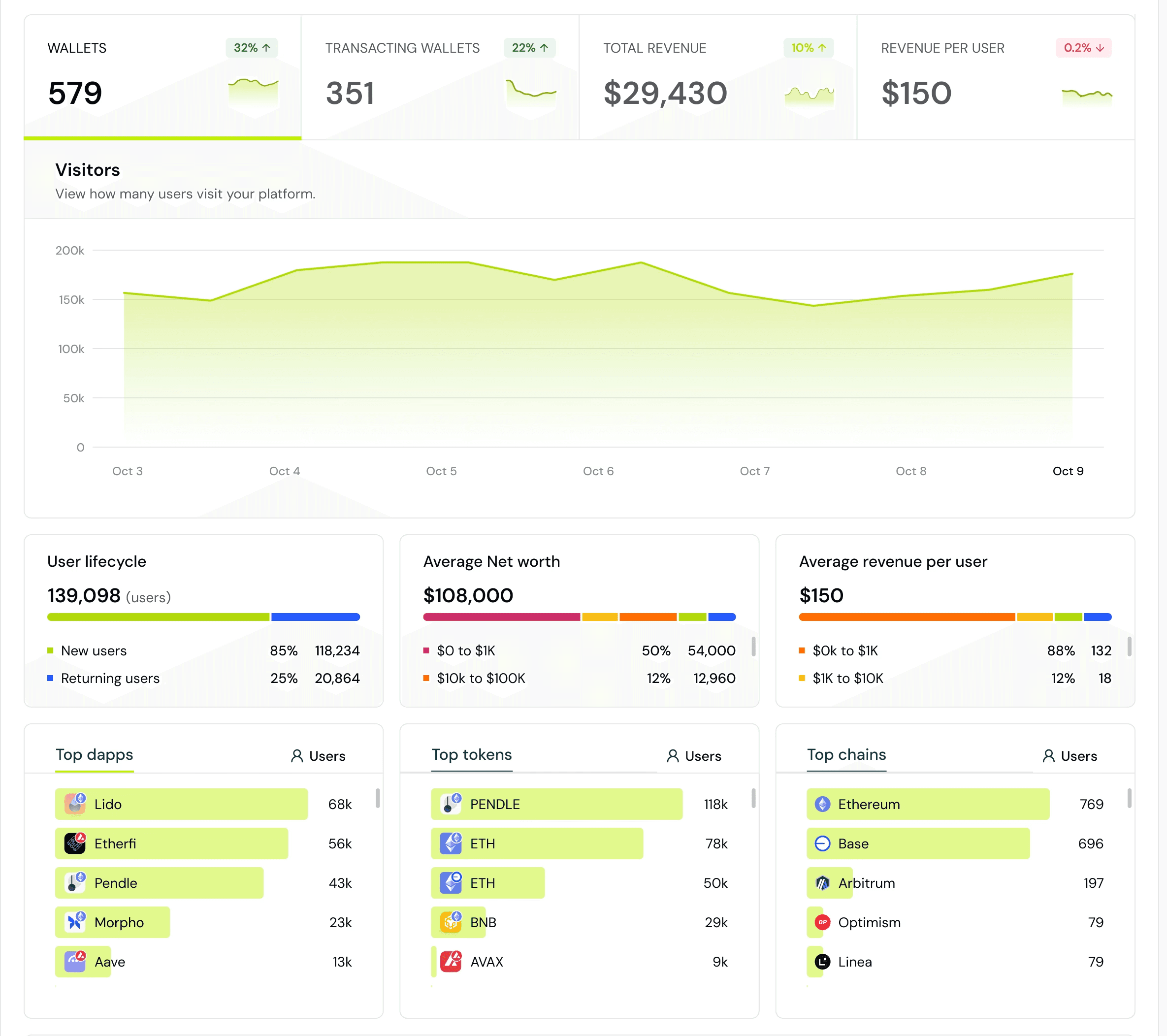
Do not open your bounty program to the entire market immediately. Start with a limited pool of trusted referrers or a small budget. This allows you to test your tracking logic, payout mechanisms, and user experience in a controlled environment. Monitor the data closely. Are the payouts matching the intended actions? Are there any unexpected edge cases? Once you have validated the system, you can scale the budget and open it to a wider audience.
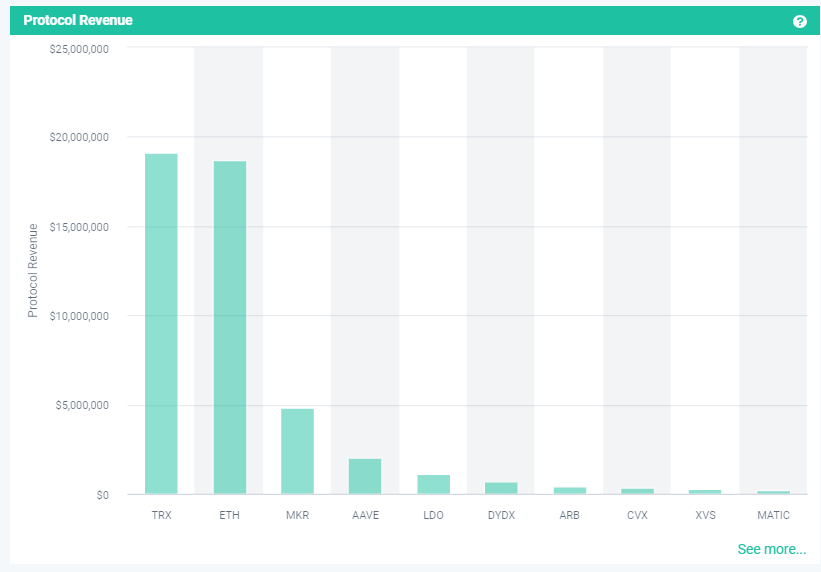
Referral programs are dynamic. Market conditions change, and referrer behavior evolves. Regularly review your data to see which actions are driving the most value. If certain referral sources are bringing in low-quality users, adjust the bounty rates or add additional verification steps. Use real-time market data to inform your decisions. If the token price is volatile, consider adjusting the payout structure to maintain stability for your referrers.
| Metric | Native Token | Stablecoin |
|---|---|---|
| Payout Predictability | Low | High |
| Referrer Alignment | High | Low |
| Volatility Risk | High | Low |
Market Context
The success of your referral strategy depends on the broader market environment. When token prices are volatile, referrers may demand higher incentives to participate. Use real-time market data to inform your decisions. If the token price is dropping, consider increasing the bounty rate temporarily to maintain interest. Conversely, if the token is rising, you may be able to lower the rate while still attracting referrers.
By treating your referral program as a sophisticated economic protocol, you can build a sustainable growth engine that aligns the interests of your protocol, your referrers, and your users. This approach requires careful planning and execution, but the rewards are significant. You are not just acquiring users; you are building a loyal community that is invested in your protocol's success.
Common questions about onchain bounties
Which crypto exchange has the best referral program?
There is no single "best" exchange, as payout structures vary by platform and market conditions. Industry comparisons often highlight Coinbase, Binance, Crypto.com, Gemini, and Robinhood as top contenders for 2026. Onchain bounties typically offer higher, transparent rewards via smart contracts, whereas centralized exchanges rely on tiered commission models that may include trading fee discounts rather than direct cash payouts.
What is a 10 digit referral code?
A referral code is a unique string of letters and numbers assigned to a participant in a referral program. In traditional web2 systems, these codes are often alphanumeric strings used to track new customer acquisitions. In onchain environments, these codes are frequently replaced by wallet addresses or smart contract invocations, which provide immutable proof of referral attribution without the need for manual code entry.
Can you get a referral bonus?
Yes, but eligibility depends on the specific bounty terms. Onchain referral programs often require the referred user to complete specific actions, such as making a first trade or providing liquidity, before the referrer receives the bonus. Unlike traditional employee referral bonuses, which may have limits on submissions, onchain bounties are programmatically enforced, ensuring immediate and transparent reward distribution upon task completion.
No comments yet. Be the first to share your thoughts!