What onchain referral bounties actually are
Onchain referral bounties use smart contracts to automate tracking and reward distribution, replacing opaque Web2 systems with transparent, trustless mechanics. This shift from trust-based to code-based verification eliminates the friction of manual verification and the risk of platform insolvency affecting payout integrity.
In traditional Web2 models, referral programs are black boxes. A platform tracks your clicks, verifies sign-ups on their own servers, and decides—often months later—whether you actually get paid. Disputes are common, and users rarely know if their referrals were counted correctly. The system relies entirely on trust in the company’s internal ledger.
Onchain bounties flip this dynamic. The rules are written into immutable smart contracts and deployed on a public blockchain. When a new user signs up or makes a trade, the contract automatically verifies the action and distributes rewards instantly. There is no middleman to interpret the terms or withhold payment. Every referral link, click, and payout is visible on-chain, creating a system where transparency is a feature, not a promise.
For high-stakes finance decisions, this transparency allows participants to audit the mechanics themselves, ensuring that the incentives align perfectly with the protocol’s growth goals.
Smart contracts, oracles, and wallet attribution
Building an onchain referral bounty requires a stack that replaces traditional cookies with wallet signatures and immutable ledger entries. The core infrastructure relies on smart contracts to enforce payout logic, oracles to verify external data, and wallet attribution tools to track user journeys across decentralized applications.
Smart contract payout logic
At the foundation, smart contracts manage the bounty distribution. Unlike traditional referral programs that rely on centralized databases, onchain contracts ensure that rewards are distributed automatically when specific conditions are met. This transparency reduces the risk of platform manipulation and ensures that referrers are paid instantly upon the referred user’s qualifying action.
Contracts typically use a registry pattern to map referrer addresses to referred addresses. When a referred user performs a qualifying transaction—such as a swap, liquidity provision, or NFT purchase—the contract verifies the relationship and triggers the reward transfer. This process eliminates the need for manual verification or third-party intermediaries, reducing operational overhead and latency.
Oracle data for offchain verification
While smart contracts handle onchain actions, they often need data from offchain sources to validate complex referral events. Oracles bridge this gap by feeding verified external data into the blockchain. For example, an oracle might confirm that a referred user has completed a KYC process or achieved a specific trading volume on a centralized exchange.
Using provider-backed oracles like Chainlink ensures that the data feeding into your referral logic is accurate and tamper-resistant. This is critical for high-stakes bounties where the integrity of the reward pool depends on the reliability of the underlying data. Without trusted oracles, contracts would be limited to simple onchain actions, missing out on the broader ecosystem of Web3 activities.
Wallet attribution and tracking
Traditional analytics rely on cookies and device IDs, which are increasingly blocked or unreliable. Onchain marketing analytics, however, tracks wallet addresses and their onchain behavior. This allows projects to attribute referrals accurately, even if users switch devices or use privacy-focused browsers.
Wallet attribution tools map user journeys by analyzing transaction history and interaction patterns. They can identify which wallet referred another, track the subsequent actions of the referred user, and calculate the total value generated. This level of granularity provides a clear picture of referral performance, enabling projects to optimize their bounty structures and target high-value referrers.
Compare referral bounty tools side-by-side
Choosing the right infrastructure depends on your specific operational needs. Some platforms prioritize deep analytics and automated payout distribution, while others focus on seamless onboarding for new users. The table below breaks down the core capabilities of the leading onchain referral tools to help you match a platform to your use case.
| Tool | Supported Chains | Payout Automation | Analytics Depth |
|---|---|---|---|
| Referral Factory | Multi-chain | Smart contract-based | Real-time attribution |
| Tally.xyz | Ethereum, L2s | DAO-governed | Onchain governance focus |
| Galxe | Multi-chain | Quest-based distribution | Campaign performance |
| Layer3 | Multi-chain | Automated rewards | User engagement metrics |
Referral Factory stands out for its flexibility, allowing projects to build custom reward structures across multiple chains. It is particularly useful for teams that need granular control over attribution and payout logic. Tally.xyz, while primarily a governance tool, offers robust infrastructure for DAOs looking to align referral incentives with voting power and community participation.
Galxe and Layer3 are designed for high-volume user acquisition. They excel at turning referrals into gamified quests, which can drive significant short-term engagement. However, their analytics are often tied to campaign performance rather than long-term user lifetime value. If your goal is rapid growth and community building, these platforms offer the most streamlined experience. For projects requiring complex, long-term incentive alignment, Referral Factory or Tally provide the necessary depth.



As an Amazon Associate, we may earn from qualifying purchases.
For teams managing these programs, securing the underlying infrastructure is non-negotiable. The tools listed above represent essential hardware for developers and operations teams handling sensitive keys and high-value transactions. Secure key management and real-time monitoring are critical to preventing exploits in any referral bounty system.
Structure Bounties for Sustainable Growth
Building a referral program that survives its launch is less about marketing hype and more about engineering resilience. The goal is to design a system where rewards follow genuine value, not sybil farms. If your smart contracts distribute tokens blindly, you are essentially funding bad actors. To ensure long-term retention, you must prioritize quality over quantity from day one.
1. Verify Contract Audits and Security
Before a single token moves, your referral logic must be battle-tested. On-chain referral development allows for full automation, but it also removes the safety net of manual review. If a bug exists in the attribution logic, it will be exploited immediately. Use provider-backed tools to monitor contract interactions and ensure your reward distribution mechanisms are immutable and verified. Trust is your most expensive asset; don't spend it on unverified code.
2. Implement Anti-Sybil Measures
Sybil attacks are the silent killer of referral programs. Attackers create thousands of fake identities to drain your bounty pool. You need to implement identity verification layers that distinguish between unique users and bot clusters. This might involve requiring on-chain activity thresholds or integrating decentralized identity solutions. By filtering out low-quality traffic, you ensure that your bounties reach real users who will actually engage with your protocol.
3. Define Clear Reward Tiers
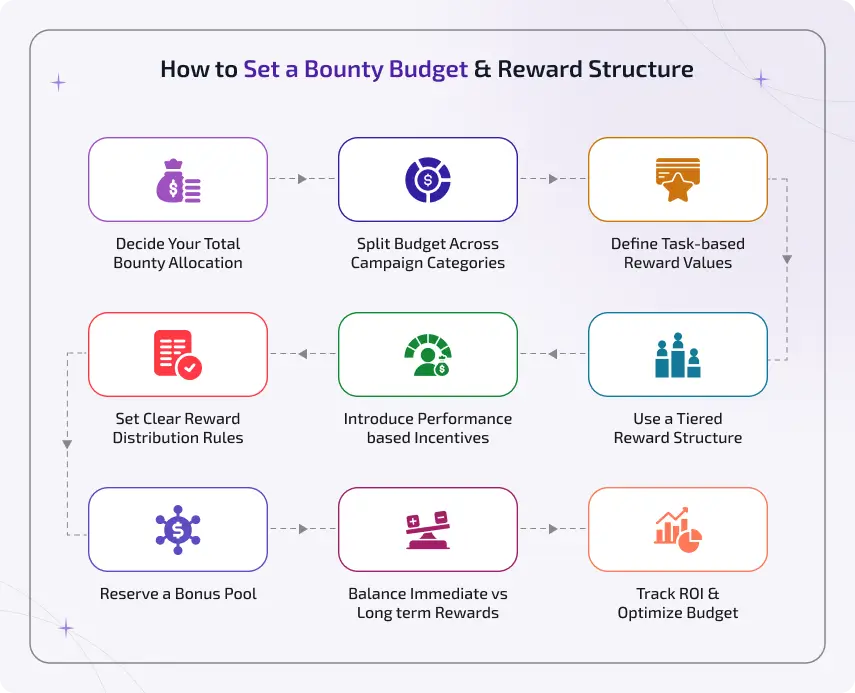
Avoid flat-rate rewards that encourage spam. Instead, structure your bounties into tiers based on user quality and retention. For example, a "new user" referral might earn a small token grant, while an "active trader" referral could unlock higher yields or NFT badges. This approach aligns incentives with your project's actual growth metrics. It encourages referrers to seek out high-value users rather than casting a wide, ineffective net.
4. Test Attribution Logic Rigorously
Your referral tracking must be flawless. If a user clicks a link, signs up, and performs an action, the attribution must be recorded accurately on-chain. Test edge cases: what happens if a user uses a VPN? What if they switch wallets? Use testnets to simulate high-volume traffic and verify that rewards are distributed correctly. A broken attribution system destroys trust faster than any marketing campaign can build it.
Verify smart contract audits and set up monitoring for reward distribution logic. Ensure your code is immutable and verified on-chain before launch.
Implement identity verification layers to distinguish unique users from bot clusters. Use on-chain activity thresholds to prevent bounty pool drainage.

Structure bounties into tiers based on user quality. Reward active engagement and retention rather than just new sign-ups to align incentives.

Rigorously test attribution logic on testnets. Simulate high-volume traffic and edge cases to ensure rewards are distributed accurately to real users.
5. Monitor and Adjust
Once live, continuously monitor your referral data. Look for patterns that indicate abuse or low-quality referrals. Adjust your reward tiers and anti-sybil measures as needed. Sustainable growth requires constant refinement. Your referral program is a living system, not a set-and-forget feature.
Key Takeaways
- Security First: Verify all smart contracts before launch.
- Filter Quality: Use anti-sybil measures to protect your bounty pool.
- Tiered Rewards: Align incentives with user value and retention.
- Rigorous Testing: Ensure attribution logic is flawless on testnets.
- Continuous Monitoring: Adjust strategies based on live data.
| Metric | Quality Focus | Quantity Focus |
|---|---|---|
| Sybil Risk | Low | High |
| User Retention | High | Low |
| Bounty Efficiency | High | Low |
| Long-term Growth | Sustainable | Unsustainable |
By focusing on these structural elements, you build a referral program that not only attracts users but retains them. This approach ensures your bounties drive genuine growth, not just temporary spikes.
Common questions about onchain bounties
Which crypto exchange has the best referral program?
There is no single winner; the best platform depends on your specific strategy. Coinbase and Binance dominate volume, while Crypto.com and Robinhood offer distinct structural advantages for different user bases. Onchain bounties often integrate with these platforms via API or direct wallet links, so the "best" program is the one that aligns with your audience's existing habits. For a detailed breakdown of current incentives, refer to the comparison in the main guide.
Are referral bounties legal?
Referral bounties are generally legal, but they are heavily regulated. In the United States, the SEC scrutinizes programs that function as unregistered securities offerings. Always ensure your bounty structure complies with local financial regulations, particularly regarding disclosure and anti-money laundering (AML) protocols. Consult official documentation from your jurisdiction before launching.
How do I track onchain referral performance?
Tracking requires transparent onchain tools. Use block explorers like Etherscan or specialized analytics platforms like Dune Analytics to verify wallet interactions and bounty payouts. Smart contracts should be audited to prevent exploitation. Reliable tracking ensures trust between the project and the referrer, which is critical for high-stakes finance decisions.
No comments yet. Be the first to share your thoughts!